Welcome to Daddy Dreads Studio! We’re excited to share the fascinating history and cultural significance of dreadlocks. This hairstyle is much more than just a look. It’s a symbol of identity, spirituality, and resistance.
What Are Dreadlocks?
Dreadlocks are tangled strands of hair. They can be done either by a master or naturally without brushing your hair (we do not recommend this method). Over time, the hair tangles together and forms locks. People of all hair types can grow natural dreadlocks. While some hair types lock faster, anyone can wear this style with patience.
The Origin of the Term “Dreadlocks”
The term “dreadlocks” has an interesting history. Some believe it started in the Rastafari movement. In this context, “dread” means deep respect for God. So, “dreadlocks” might refer to the hair of someone who deeply believes in the divine. Another idea is that the term came from African warriors. Their fierce look, including their dreads, supposedly caused fear or “dread” in European colonizers.
Early Evidence of Dreadlocks
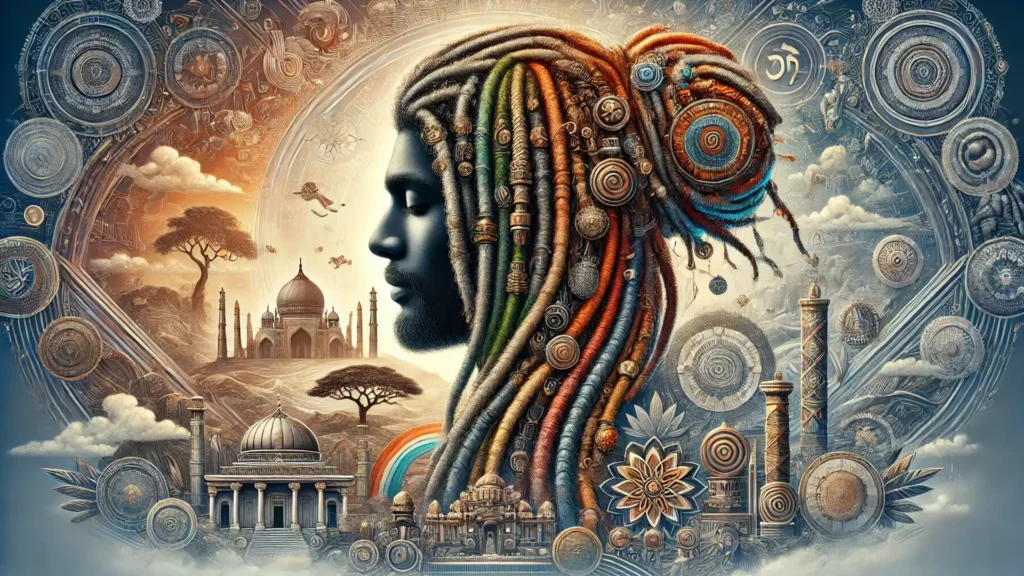
Dreadlocks are as old as humanity itself. The earliest written evidence comes from ancient Hindu texts called the “Vedas.” These texts date back to 1500 BCE. They describe the god Shiva with “Jaṭā,” which means matted hair. Holy men in India, called Sadhus, still wear their hair this way today. They believe it helps with the flow of cosmic energy and raises consciousness.
There is also visual evidence from ancient Greece. A fresco from the island of Santorini shows fighters with dreadlocks. This artwork is from the same period as the Vedas. Other early evidence comes from Egypt and the Mediterranean. However, it’s sometimes hard to tell dreadlocks from braids in these ancient images.
Dreadlocks and Spirituality
Dreadlocks have deep spiritual meaning in many cultures. In Hinduism, Buddhism, Christianity, and Islam, holy people have worn dreads. They use this hairstyle to show their rejection of vanity and materialism. These spiritual figures saw dreadlocks as a way to express their faith and dedication. Often, they chose between growing dreads and shaving their heads.
Religions spread across cultures, and so did the practice of wearing dreadlocks. Holy people influenced each other in adopting dreads. Despite these exchanges, dreadlocks appeared independently in various cultures worldwide. They often served as a strong cultural and social symbol. In pre-Columbian America, Oceania, and Africa, dreadlocks were linked to shamanism. They represented a connection to the divine and the spirit world. They were also symbols of strength and integrity for warriors and leaders.
The Rastafari Movement and Reggae Music
The Rastafari movement has played a big role in making dreadlocks popular today. It started in the 1930s in Jamaica and the Caribbean. This movement was a response to colonialism and slavery. It promotes physical and mental freedom. The Rastafari faith, which includes elements of Christianity and Hinduism, encourages letting hair grow naturally into dreadlocks.
Reggae music, closely tied to the Rastafari movement, became a global phenomenon in the late 20th century. Artists like Bob Marley used reggae to spread messages of hope, freedom, and strength. They encouraged wearing dreadlocks as a symbol of resistance and identity. This global spread led to the adoption of dreads by many different groups. These included hippies, metalheads, and others who resonated with its symbolism.
Dreadlocks and Cultural Identity
Dreadlocks have historically been a strong statement of cultural identity, especially for African descendants. During slavery, controlling a person’s hairstyle was a way to strip them of their identity and heritage. Braided hairstyles, such as box braids and cornrows, were particularly significant in African culture. They served as indicators of tribe, age, marital status, wealth, power, and religion.
Even today, wearing dreadlocks or braids can be an act of cultural pride and resistance against discrimination. However, individuals with these hairstyles often face prejudice in various settings. These include workplaces, schools, and sports. Instances of discrimination highlight the ongoing struggle against systemic racism. They also show the importance of standing against such biases.
Cultural Appropriation
Cultural appropriation happens when people from a dominant culture take elements from a marginalized culture without understanding their meaning. Dreadlocks are a good example of this. Historically, people of color wearing dreads have faced discrimination and prejudice. But when people from dominant cultures wear them, they often do not experience the same treatment. This can be hurtful and unfair.
Understanding the history of dreadlocks helps address these issues. It’s important to recognize the pain and struggle that people of color have faced. By being aware of this context, we can be more respectful and mindful. When wearing dreadlocks, it’s crucial to honor their cultural significance and the people who have historically worn them.
The Role of Daddy Dreads Studio
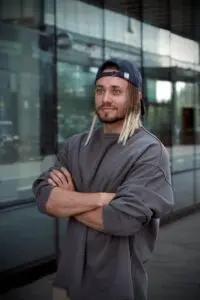
At Daddy Dreads Studio, we embrace the rich history and cultural significance of dreadlocks. With eleven years of experience, we see dreads as more than just a hairstyle. They are a form of art and self-expression. Our mission is to challenge stereotypes, promote individuality, and change lives through the creation of high-quality, aesthetically pleasing dreadlocks.
Our founder discovered the transformative power of dreadlocks over a decade ago. This led to the establishment of a team of like-minded professionals. Together, we have created thousands of sets of dreadlocks for clients worldwide. Each set embodies careful craftsmanship and attention to detail. The emotional response of clients, seeing their new hairstyles and feeling a renewed sense of self, is the ultimate reward for our team.
Our studio is more than just a place to get your hair done. It’s a community of people who love unique and individual hairstyles. We make dreadlocks with love and see them as a way to express your uniqueness and change your life. Over the years, we have braided dreadlocks for a wide variety of people from all over the world. We now have a team of 10 like-minded professionals. Each of our works is the result of careful attention to people and hard work.
We have made kilometers of dreadlocks that resulted in 2000 sets sent all over the world. We have spun natural and synthetic dreads for 1500 clients and trained more than 100 experts. Each of our sets is the embodiment of the designer’s idea, realized with high-quality materials. When our clients see their new hairstyle, their eyes light up and their sense of self changes. Dreadlocks definitely add confidence and fire to everyone’s life. The emotions that people feel when they look in the mirror at their dreadlocks are the best appreciation for us.
It was with these emotions that our studio began. Eleven years ago, our founder braided his first dreadlocks and felt that by creating dreads, he could make people happier and change the world around him. Out of this feeling grew a desire to build a team and make other people’s lives brighter. Dreadlocks are the magic that changes our mood and mindset, and we are happy to invite you into this magical world.